What Is High Blood Pressure? A Plain-English Guide
Disclaimer: This article is general information for awareness and education only. It is not personal medical advice, a diagnosis, or a treatment plan. If you have concerns about your blood pressure or health, speak to your GP or another qualified clinician. Seek urgent care (call 999) for severe symptoms such as sudden chest pain that does not go away, sudden severe headache with other worrying symptoms, or signs that could point to a heart attack or stroke — follow NHS emergency guidance.
Public information in this article is framed using plain-language guidance available from the NHS on high blood pressure (hypertension). Absolute Biomedical is not the NHS and does not claim NHS research as its own.
If you have ever wondered what is high blood pressure, you are not alone. Clinicians often call it hypertension. In everyday language, it means the force of blood pushing against the walls of your arteries is consistently higher than it should be. Over time, that extra load can put strain on blood vessels, the heart, and other organs.
This guide keeps the explanation practical. It is written for people preparing for an occupational medical, employers thinking about workplace wellbeing, and anyone who wants a clearer picture before speaking to a GP. It is not a substitute for personal clinical advice.

Blood pressure in two numbers
A blood pressure reading is usually written as two numbers, for example 130/80.
- The first (higher) number is systolic pressure — the pressure when the heart contracts and pushes blood out.
- The second (lower) number is diastolic pressure — the pressure when the heart rests between beats.
Both matter. Clinicians look at the pair together, your health history, and sometimes repeated readings before deciding what a result means for you.
What counts as “high” in general NHS terms?
According to public NHS information on high blood pressure, you are usually considered to have high blood pressure if your reading is:
- 140/90 or higher when checked by a healthcare professional, or
- 135/85 or higher when checked at home
Those figures are general public guidance, not Absolute Biomedical’s occupational fitness rules. Occupational medicals follow industry and examiner pathways that can differ from a GP diagnosis pathway. A raised reading at work may lead to advice to follow up with your GP or further assessment — it is not automatically the same as a lifelong “hypertension” label from a single check.
Why high blood pressure matters
When pressure stays high, blood vessels and organs work harder than they should. NHS public information links untreated high blood pressure with an increased risk of serious conditions such as heart disease, heart attacks, strokes, heart failure, kidney disease, and vascular dementia. Even a modest reduction in blood pressure, where clinically appropriate, can help reduce risk — but any change in medication or treatment must come from your own clinician, not from a blog post.
Why many people do not know they have it
High blood pressure often causes no obvious symptoms. That is why it is sometimes described as a “silent” condition (we cover that idea in more detail in a companion post). The reliable way to know is to get checked — at a GP surgery, pharmacy, or as part of an occupational or wellbeing assessment where blood pressure is measured.
NHS public advice also notes that people aged 40 or over who have not had a check for more than five years should consider getting their blood pressure measured, and that risk can be higher with age, family history, certain ethnic backgrounds, excess salt, being overweight, smoking, drinking too much alcohol, and long-term stress. Individual risk is personal — discuss yours with a clinician.
How a check usually works
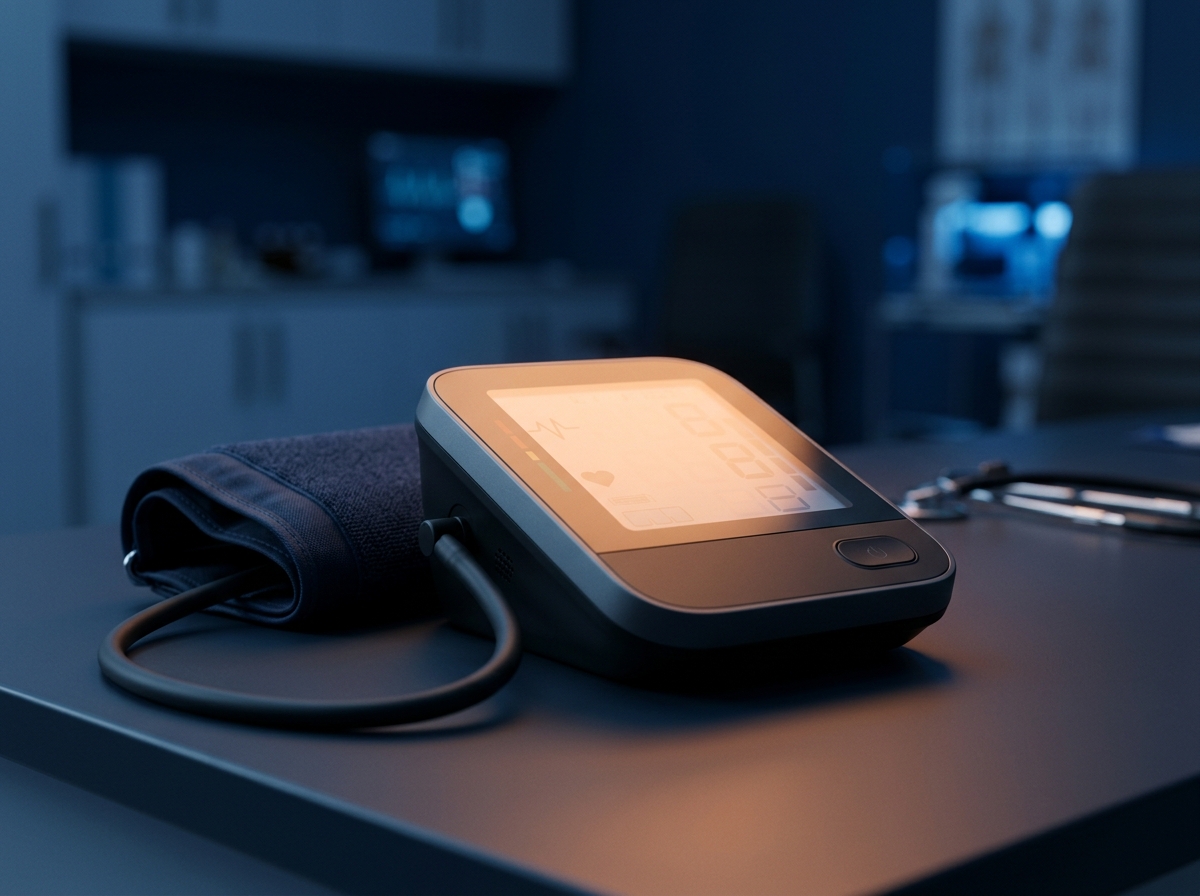
A standard check uses a cuff around the upper arm. The cuff inflates briefly while the device (or clinician) measures pressure in the vessels. If a reading looks raised, you may be asked to repeat the check, monitor at home, return another day, or wear a portable monitor over 24 hours. That pattern — confirm before conclude — is important. One reading in a busy clinic is a data point, not always the whole story.
Lifestyle and medical care — both have a role
Healthy habits can support healthier blood pressure for many people: a balanced diet, regular activity, maintaining a healthy weight, limiting salt and alcohol, cutting back on excess caffeine, and not smoking. NHS public pages also explain that medicines may be offered when pressure is very high, when overall risk is higher, or when lifestyle changes alone are not enough. Medicine choices are individual. Absolute Biomedical does not prescribe hypertension treatment through this blog and does not replace your GP.
Where occupational health fits
At Absolute Biomedical, blood pressure is one element of a Level 1 rail medical screening alongside questionnaire, BMI, mobility, hearing, vision, and general health. It also appears in some corporate health and wellbeing checks. The aim in that setting is fitness-for-work assessment and early awareness — not to diagnose or treat hypertension in place of your NHS clinician.
If a reading is raised during an occupational medical, the examiner will explain next steps in line with the assessment pathway. That may include discussion, repeat checks where appropriate, or advice to speak to your GP. Soft context only: a single raised reading does not automatically mean “failed forever” without nuance — follow the examiner’s guidance and your GP’s advice.
Practical takeaways
1. High blood pressure means persistently raised pressure in the arteries — usually without symptoms.
2. General NHS public thresholds exist for clinic and home readings; occupational pathways can differ.
3. Confirmation often needs more than one reading.
4. Lifestyle support and clinical care can both matter; personal plans belong with your GP.
5. Workplace and rail medicals can be a useful prompt to take blood pressure seriously.
Soft next step
If you are booking a rail medical, health surveillance, or workplace wellbeing support and want to know what a blood pressure check involves on the day, Absolute Biomedical can explain the appointment flow when you book.
Absolute Biomedical Ltd (Abercynon, South Wales) provides occupational rail medicals (including blood pressure as part of the Level 1 medical exam), drug and alcohol screening, health surveillance, and corporate health and wellbeing support. For workplace health enquiries or to book an occupational medical, call 01443 303009 (Mon–Fri 08:30–17:00) or email [email protected] as listed on absolutebiomedical.uk.