One High Reading vs Ongoing Hypertension — Don’t Panic, Do Follow Up
Disclaimer: This article is general information for awareness and education only. It is not personal medical advice, a diagnosis, or a treatment plan. If you have concerns about your blood pressure or health, speak to your GP or another qualified clinician. Seek urgent care (call 999) for severe symptoms such as sudden chest pain that does not go away, sudden severe headache with other worrying symptoms, or signs that could point to a heart attack or stroke — follow NHS emergency guidance.
Public information in this article is framed using plain-language guidance available from the NHS on high blood pressure (hypertension). Absolute Biomedical is not the NHS and does not claim NHS research as its own.
A high blood pressure reading at medical appointments can spike anxiety — especially when your job, sponsor, or training date feels tied to the outcome. Take a breath. One raised number is information, not a full life story. The responsible response is follow-up, not panic.
Why a single reading can mislead
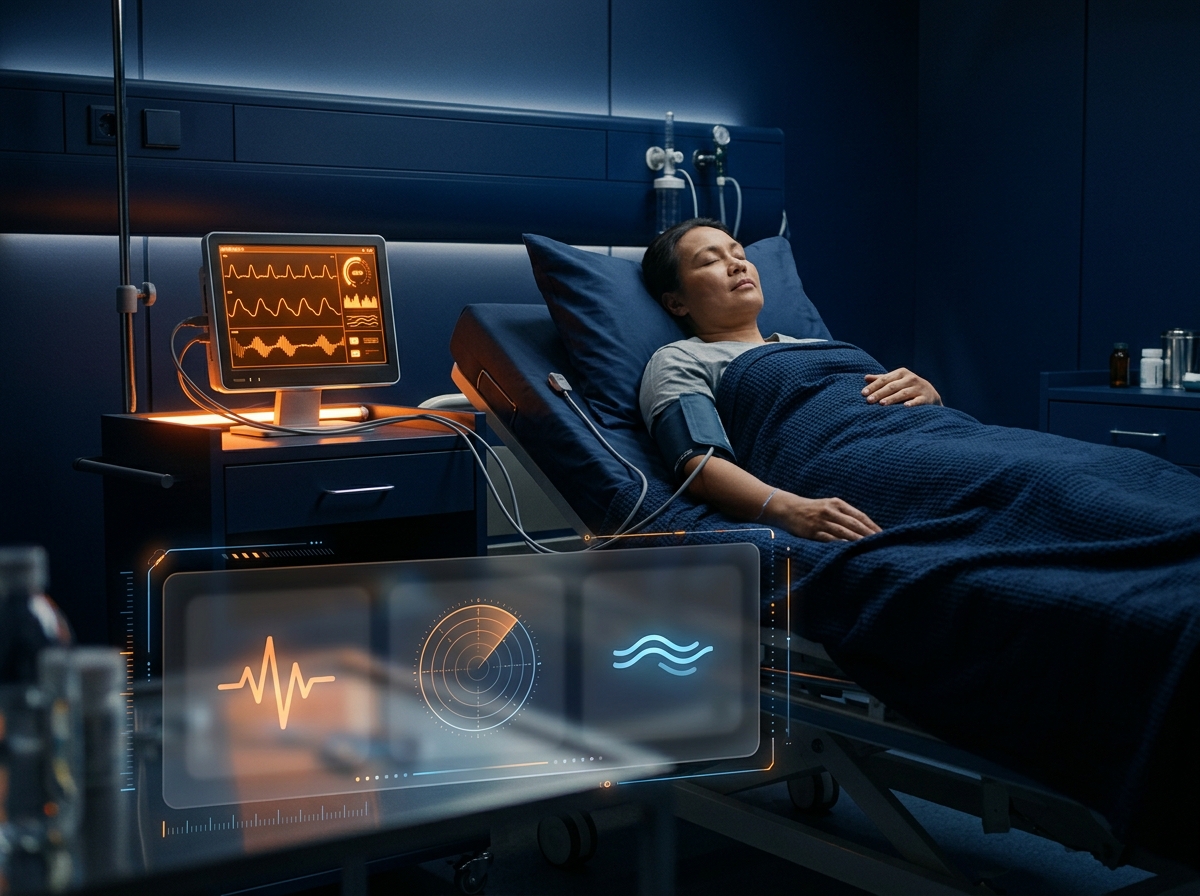
Blood pressure varies through the day. It can rise with stress, talking, pain, a full bladder, recent exercise, caffeine, nicotine, or simply sitting in a clinical chair (“white coat” effect). It can also be truly elevated because of ongoing hypertension. You cannot tell which story is true from fear alone — you tell it with context and repeated measurement under clinical guidance.
NHS public information describes confirmation pathways after a raised check: home monitoring over subsequent days, returning for another reading, or wearing a portable monitor for 24 hours. Occupational settings may use their own next-step pathways; the principle of confirm before conclude still helps emotionally and practically.
Ongoing hypertension is a pattern
Clinicians generally think in terms of persistent elevation, risk factors, and overall cardiovascular picture — not a single dramatic cuff result. That is why GP diagnosis and occupational fitness decisions can involve more than one data point.
If you already know you have hypertension and take medicines, say so on the questionnaire and bring medication details. Undeclared treatment helps nobody.
What to do in the room
1. Listen carefully to what the examiner says — not only the numbers.
2. Ask what the next step is today (repeat reading, advice letter, GP referral, further occupational review).
3. Be honest about caffeine, rushing, pain, or skipped medicines.
4. Avoid arguing with the cuff; collaborate on a clear plan.
5. If you feel unwell with chest pain or other emergency features, say so immediately — occupational clinics are not a substitute for 999 when severe symptoms appear.
What to do after you leave
- Book or attend GP follow-up if advised
- Start home readings only with appropriate equipment and advice if that is part of your plan
- Keep taking prescribed medicines unless a clinician changes them
- Tell your sponsor what you are allowed to share and what the occupational process requires
- Read Absolute Biomedical joining/referral paperwork carefully if provided
Delaying GP follow-up because you “felt fine afterwards” is a common trap with a silent condition.
How Absolute Biomedical frames unsatisfactory findings (public site language)
Absolute Biomedical notes that if a candidate does not meet a satisfactory level, the examiner may refer them to their GP with guidance, or to an Occupational Health Physician where specialist consultation is needed (additional charges may apply). That is a structured pathway — not a moral judgement. This draft still does not invent numeric cut-offs.
Separating career fear from health action
It is normal to worry about work implications. Still, the health action is the same: clarify the reading, follow clinical advice, and support your blood pressure with sustainable lifestyle habits where appropriate. Many people work safely with well-managed blood pressure under clinical care. Outcomes depend on individual findings and pathways — no blog can promise a pass.
Talking to family and sponsors
You do not owe social media a medical update. You may owe a sponsor a process update. Keep those lanes separate. Share clinical detail with clinicians; share occupational status with the people who need it for rostering and Sentinel-related workflows.
If anxiety itself is raising the next reading
It happens. Ask whether a short rest and repeat is appropriate in-session. Practise calm breathing while you wait. If home monitoring is advised later, measure when you are not arguing with your inbox. Anxiety management is not “cheating the test” — it is reducing noise in the signal.
Soft next step
If you are preparing for a rail or occupational medical and want to understand how blood pressure is handled on the day, Absolute Biomedical can explain the appointment flow when you book. If you already had a raised reading, prioritise the examiner’s and your GP’s instructions over internet speculation.
Absolute Biomedical Ltd (Abercynon, South Wales) provides occupational rail medicals (including blood pressure as part of the Level 1 medical exam), drug and alcohol screening, health surveillance, and corporate health and wellbeing support. For workplace health enquiries or to book an occupational medical, call 01443 303009 (Mon–Fri 08:30–17:00) or email [email protected] as listed on absolutebiomedical.uk.